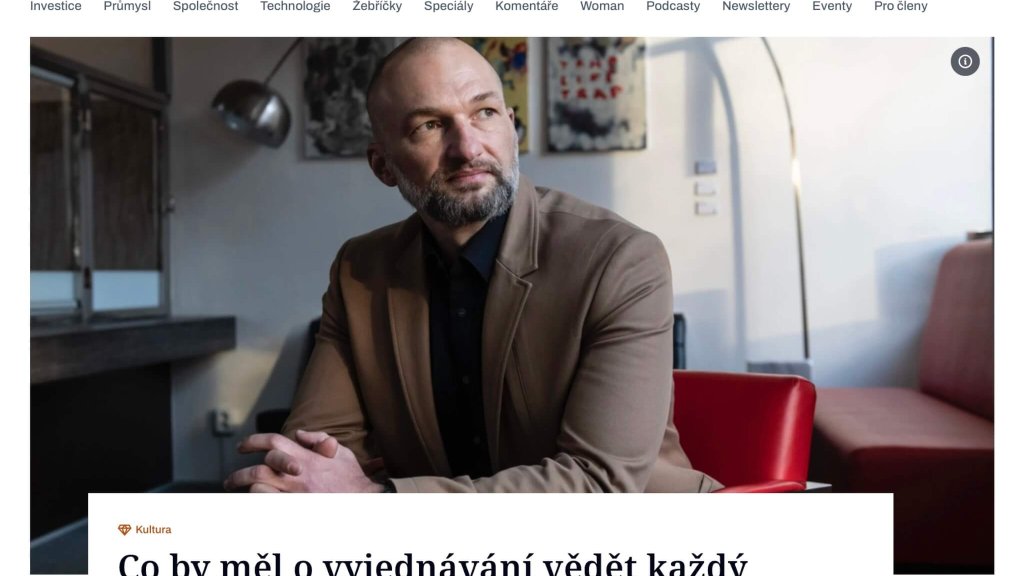
He never knows when the phone will ring and he will have to board the next flight to the other side of the world, nor how long he will be gone. At the destination awaits a frightened family whose life has been turned upside down by the kidnapping of a loved one. Somewhere else, the kidnappers are figuring out how to extract as much money as possible.
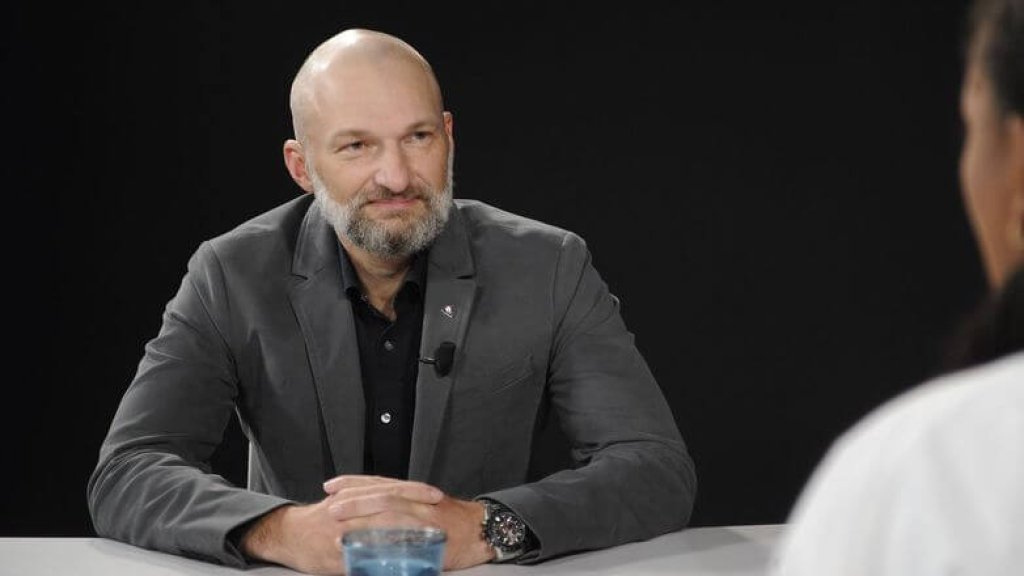
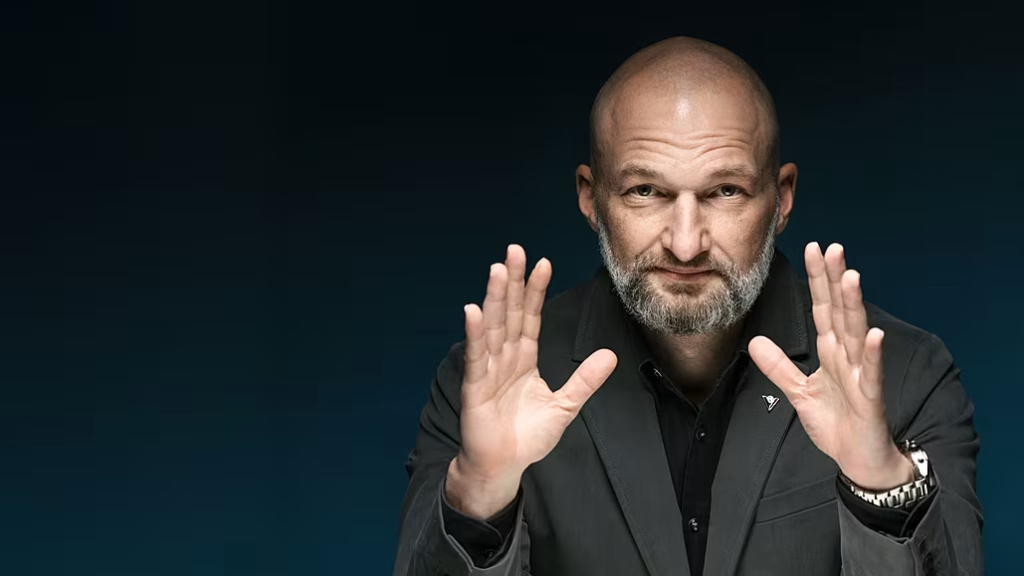
Over more than a decade as an international kidnapping negotiator, Adam Dolník has helped secure the release of more than one hundred hostages. He has never lost a hostage—and the kidnappers never even knew he was involved.
The romantic image of sneaking through the jungle in camouflage, locating hostages, and rescuing them from terrorists has little to do with reality.
“In the places where we operate, I’d last about fifteen minutes before being captured. My appearance alone would make me stand out. In many cases, I would be worth more to the kidnappers than the hostage,” Dolník says.
Nor does he personally hand over suitcases full of ransom money. “A courier delivers the money. Finding the right person is not easy. They cannot be worth more than the hostage to the kidnappers, and they must not steal the money or stage a robbery.” The ransom handover, however, is only the final step after weeks, months, or even years of negotiation.
THE KIDNAPPERS’ MOST POWERFUL WEAPON
Dolník cannot reveal everything about his work, partly to protect those involved and partly because doing so could endanger lives in the future.
There are an estimated 20,000–30,000 kidnappings worldwide every year. While the odds of any individual becoming a victim are very low, it is still useful to know what to do.
“At the moment of the kidnapping, if I have no realistic chance to escape or fight back, I do everything they tell me and avoid anything that could surprise or threaten them.”
“Once you are being held, ask for basic necessities such as water and hygiene. Humanize yourself in the eyes of the kidnappers. That makes it harder for them to hurt you. Establish a daily routine. Don’t sit in a corner in despair. Every kidnapping is traumatic, whether it lasts hours or months.”
According to Dolník, experienced Somali pirates understand that a dead hostage is worthless. The behavior of kidnappers depends greatly on who they are. Amateur criminals can be unpredictable, while professional kidnappers generally have a financial incentive to keep hostages alive.
Time often works in the kidnappers’ favor. Silence is one of their strongest weapons. Frequent contact at least confirms that the hostage is alive; prolonged silence creates uncertainty and fear.
NEGOTIATING FOR A LIFE
Kidnappings vary widely, but the negotiator’s role follows a structured process. The first priority is to be present when kidnappers contact the family, make demands, and issue threats.
“I prepare families for how to speak with kidnappers. The instructions must be simple enough for a highly stressed person to follow and still sound authentic.”
Dolník prefers that the closest relative not handle communication directly whenever possible, because such conversations are emotionally overwhelming. Families are also instructed never to reveal that a professional negotiator is involved.
“I advise; I do not make decisions. The decisions belong to the family. Even if they choose a course of action I believe is wrong, I have to respect it.”
NEVER ACCEPT THE FIRST DEMAND
Kidnappers typically begin with an outrageously high ransom demand that appears completely impossible for the family to pay.
“In reality, they don’t expect to receive a million dollars. They are setting an anchor for the negotiation.”
Dolník advises families to make a much lower counteroffer and to expect threats, intimidation, and emotional pressure. In his experience, immediately agreeing to the kidnappers’ demands only encourages them to ask for more.
“Our statistics show that final settlements average around eight percent of the initial demand.”
To estimate a realistic outcome, negotiators study previous cases in the region and assess the hostage’s public profile, including social media activity, lifestyle indicators, and other information that kidnappers themselves can easily find.
A SERVICE AVAILABLE ONLY TO THE INSURED
The services of Adam Dolník and his colleagues are unavailable to most people. Typically, the hostage or their employer must have a specialized kidnap-and-ransom insurance policy. The insurer then provides access to professional negotiators through specialist firms.
Dolník believes governments are often ineffective negotiators.
“A state is not a good negotiator because it cannot solve problems creatively and has little ability to drive the price down. There are usually too many actors involved, and the process becomes slow and complicated.”
The negotiators’ sole objective is the safe release of the hostage. Capturing or punishing the kidnappers is not their concern. Armed rescue operations are generally viewed as risky because failed rescue attempts are one of the leading causes of hostage deaths.
FROM TERRORISM SCHOLAR TO ELITE NEGOTIATOR
Unlike many colleagues, Dolník did not come from intelligence services or special forces. His background is academic.
“I was fascinated by terrorism. As a Czech living in the United States, I could not work for agencies such as the FBI, so I studied terrorism academically. After 9/11, I began conducting field research. My work attracted attention, and at the age of twenty-five the FBI invited me to lecture its negotiators.”
After becoming a professor in Australia, he lectured at the George C. Marshall European Center for Security Studies in Germany, where many of his students were senior military officers and generals.
His 2007 book Negotiating Hostage Crises with the New Terrorists became required reading for negotiation teams around the world. He has delivered lectures in more than 65 countries.
He later worked for the United Nations Counter-Terrorism Centre before moving into the private sector, where he could apply his expertise directly to hostage cases.
LIFE ON CALL
The greatest challenge of his current profession is not danger but availability. He must be ready to travel at a moment’s notice.
“I can take at most two weeks of vacation, and no more than two of us can be away at the same time.”
He recalls receiving a call while on his way to pick up his son from kindergarten. Instead, he had to head straight to the airport and spent the next three weeks in East Africa working on a case.
“My wife is the real hero, not me,” he says.
UNDERSTANDING TERRORISTS
During his research, Dolník met not only victims of terrorism but also terrorists themselves.
“They do not define themselves as terrorists. They see themselves as fighters against oppression. I never argued with them. I wanted them to understand that I was trying to understand their perspective. That does not mean I agreed with them.”
His goal was never to judge them but to learn as much as possible about their motivations and behavior.
“When a doctor studies cancer cells, it does not mean he approves of cancer. He is trying to find a way to treat it.”